Animals Zoo Park - Amazing - Funny - Dangerous Animals

African Animals, Asian Animals, Amazing Photos, Amazing Under Water Photos Birds Photos, Flowers Pics, Free Wallpapers, Funny People Pics, Funny Pictures, Funny Videos, Hunting Videos Hunting Pics, Soccer Wallpapers, Tennis Pictures 7 Natural Wonders Information, 7 Under Water Wonders Information, 7 Wonders of the Medieval Mind, 7 Wonders of the Modern World, 7 Wonders of the Ancient World, Wonderful Temple Wallpaper, Top 10 Hollywood Stars (By visitors request), Top 10 soccer Players (By visitors request), Top 10 Tennis Players (By visitors request), 10 most Dangerous Snakes, Dangerous Animals, 10 most deadliest snakes, 10 Most Poisonous Animals in the World, all Wonders Of the World.
Showing posts with label The Seven Wonders of the Modern World. Show all posts

Saturday, January 23, 2010

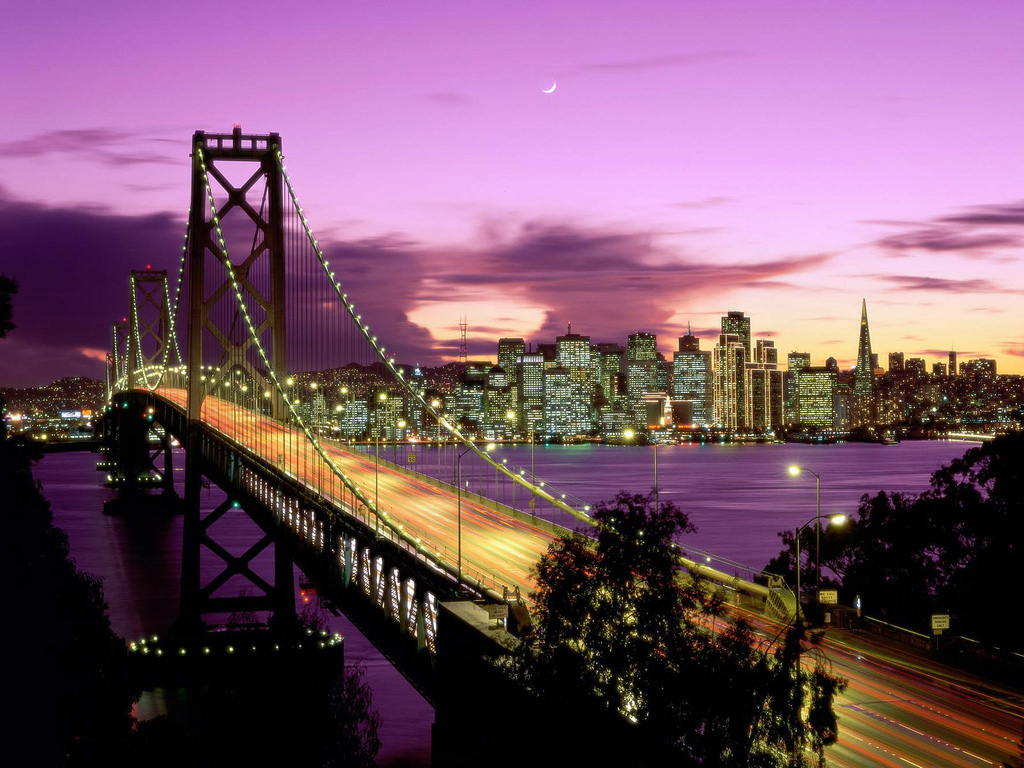
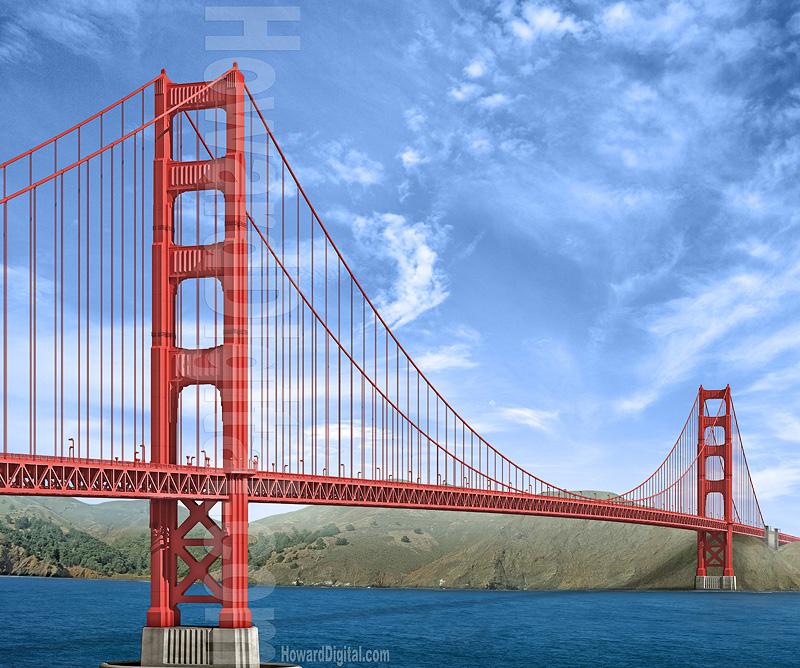
The Golden Gate Bridge San Francisco Pictures and Photos in night

The Seven Wonders of the Modern World : The Golden Gate Bridge San Francisco Information, Pictures and Photos in the Night

San Francisco is the thirteenth most populous city in the United States of America and the fourth most populous city in California. According to the 2007 estimation, the population of San Francisco was 799,183. This makes San Francisco the second most densely populated city in the United States.

San Francisco is one of the most popular international tourist destinations in the United States of America. Landmarks such as Alcatraz Island, Coit Tower and cable cars make San Francisco a tourist attraction..Read More at Kosmix

The Golden Gate Bridge San Francisco in the Night PicturesThe Golden Gate Bridge San Francisco in the Night Pictures

The Golden Gate Bridge San Francisco at Night PicsThe Golden Gate Bridge San Francisco at Night Pics

The Golden Gate Bridge San Francisco Night PhotoThe Golden Gate Bridge San Francisco Night Photo

 The Golden Gate Bridge San FranciscoThe Golden Gate Bridge San Francisco

The Golden Gate Bridge San Francisco in the Night Pictures and PhotosThe Golden Gate Bridge San Francisco in the Night Pictures and Photos


The Golden Gate Bridge San Francisco Information : The Golden Gate Bridge links San Francisco with Marin County in absolute splendor. The bridge is one of the architectural marvels of the Twentieth Century and a testament to human strife, as it was constructed during the years of the Great Depression. For years, the Golden Gate Bridge held the title as the longest suspension bridge in the world.

Before its completion in 1937, the bridge was considered impossible to build, due to persistently foggy weather, 60-mile-per-hour winds, and strong ocean currents, which whipped through a deep canyon below. In fact, the bridge is commonly known as the "Bridge that couldn't be built." Despite these unforgiving natural elements, the bridge was constructed in a little more than four years. The total cost was $35 million. The total length of the bridge spans 1.2 miles. Eleven men lost their lives during the construction of the bridge.

Even today, the massive spans of the bridge are often shrouded in fog. The bridge sways 27 feet to withstand winds of up to 100 miles per hour. International Orange was the color chosen for the bridge because it blended well with the bridge's natural surroundings. The two great cables extending from the bridge contain 80,000 miles of steel wire, which is enough to circle the equator three times. The concrete poured to cement the bridge into the stormy waters below could have also been used to pave a five-foot sidewalk from New York to San Francisco.

Because of the Golden Gate Bridge, San Francisco is one of the premier skyline cities in the nation. It was a triumphant day in the history of the city when the bridge was completed on May 27, 1937. Over 200,000 people celebrated the grand opening of the Golden Gate Bridge by walking its length. The following day, a dedication ceremony was held to officially christen what would become the architectural trademark of the city. The regular flow of vehicular traffic began the next day.

Efforts to begin the construction on the bridge began as early as 1928. The process would entail the efforts of six counties in Northern California. In 1928, the counties formed a Golden Gate Bridge and Highway District. In 1930, the voters appropriated a $35 million bond issue to finance the building of the bridge. For many years following, Joseph Baerman Strauss, a distinguished engineer, dreamed of raising a span across the Golden Gate. It was in response to his vision that people first started saying that the bridge could not be built. But, amazingly enough, Strauss held fast to his vision, and a span was eventually raised across the Golden Gate Bridge. The actual work on the bridge began on January 5, 1933. It was completed four-and-one-half years later. The result astounded the fiercest of Strauss's critics. To this day, the bridge is admired for its magnitude and beauty.

The bridge is nothing short of a powerful force meant to combat nature. The often mighty winds from the Pacific Ocean are sustained by a mid span swing of 27 feet. The two towers of the bridge rise an impressive 746 feet, which is 191 feet taller than the Washington Monument. The pier of the bridge is only 1,215 feet from the shore, the distance between the two towers that support the cables, which in turn, support the floor of the bridge is 4,200 feet. These two cables are the largest bridge cables ever made at a little over 3.61 feet in diameter.

Today, pedestrians and bicyclists are still allowed to cross the bridge on pathways with breathtaking views of the city, Alcatraz, and the Marin Headlands. The bridge toll for vehicles is $5 when entering San Francisco.

The first exit of the Marin side of the bridge is Visa Point, which provides a magnificent view of the San Francisco skyline. But, the best way to view the bridge is to walk across. This usually takes about an hour.

Friday, January 22, 2010

The Panama Canal History Photos

The Seven Wonders of the Modern World : The Panama Canal History and Photos -

The Panama Canal Photos

The Panama Canal Photo

The Panama Canal Photos


> The Panama Canal History History:

Among the great peaceful endeavors of mankind that have contributed significantly to progress in the world, the construction of the Canal stands as an awe-inspiring achievement. The unparalled engineering triumph was made possible by an international work force under the leadership of American visionaries, who made the centuries-old dream of uniting the two great oceans a reality.

In 1534, Charles I of Spain ordered the first survey of a proposed canal route through the Isthmus of Panama. More than three centuries passed before the first construction was started. The French labored 20 years, beginning in 1880, but disease and financial problems defeated them.

In 1903, Panama and the United States signed a treaty by which the United States undertook to construct an inter-oceanic ship canal across the Isthmus of Panama. The following year, the United States purchased from the French Canal Company its rights and properties for $40 million and began construction. The monumental project was completed in ten years at a cost of about $387 million. Since 1903 the United States has invested about $3 billion in the Canal enterprise, approximately two-thirds of which has been recovered.

The building of the Panama Canal involved three main problems -- engineering, sanitation, and organization. Its successful completion was due principally to the engineering and administrative skills of such men as John F. Stevens and Col. George W. Goethals, and to the solution of extensive health problems by Col. William C. Gorgas.

The engineering problems involved digging through the Continental Divide; constructing the largest earth dam ever built up to that time; designing and building the most massive canal locks ever envisioned; constructing the largest gates ever swung; and solving environmental problems of enormous proportions.

Now, more than 80 years after the first official ocean-to- ocean transit of the waterway, the United States and Panama have embarked on a partnership for the management, operation and defense of the Panama Canal. Under two new treaties signed in a ceremony at OAS headquarters in Washington, D.C., on September 7, 1977, the Canal will be operated until the turn of the century under arrangements designed to strengthen the bonds of friendship and cooperation between the two countries. The treaties were approved by Panama in a plebiscite on October 23, 1977, and the U.S. Senate gave its advice and consent to their ratificaton in March and April 1978. The new treaties went into effect October 1, 1979.

> The Commission

The Panama Canal Commission, a U.S. government agency, will operate the Canal during the 20-year transition period that began with Panama Canal Treaty implementation on October 1, 1979. The Commission is supervised by a nine-member binational board. For the first 10 years, a U.S. citizen served as Chief Executive Officer, under the title of Administrator, and a Panamanian was the Deputy. Effective January 1, 1990, as mandated by the treaty, a Panamanian serves as Administrator and a U.S. citizen is the Deputy.

The Commission replaced the former Panama Canal Company, which, together with the Canal Zone and its government, was disestablished on October 1, 1979. On December 31, 1999, as required by treaty, the United States will transfer the Canal to Panama.

The Commission remains committed to serving world trade with the standards of excellence that have been the tradition of the waterway throughout its history. With prudent investment in maintenance, modernization and training programs, the Canal will remain a viable, economic transportation artery for world trade well into the future. Courtesy By Wonderclub

Thursday, January 21, 2010

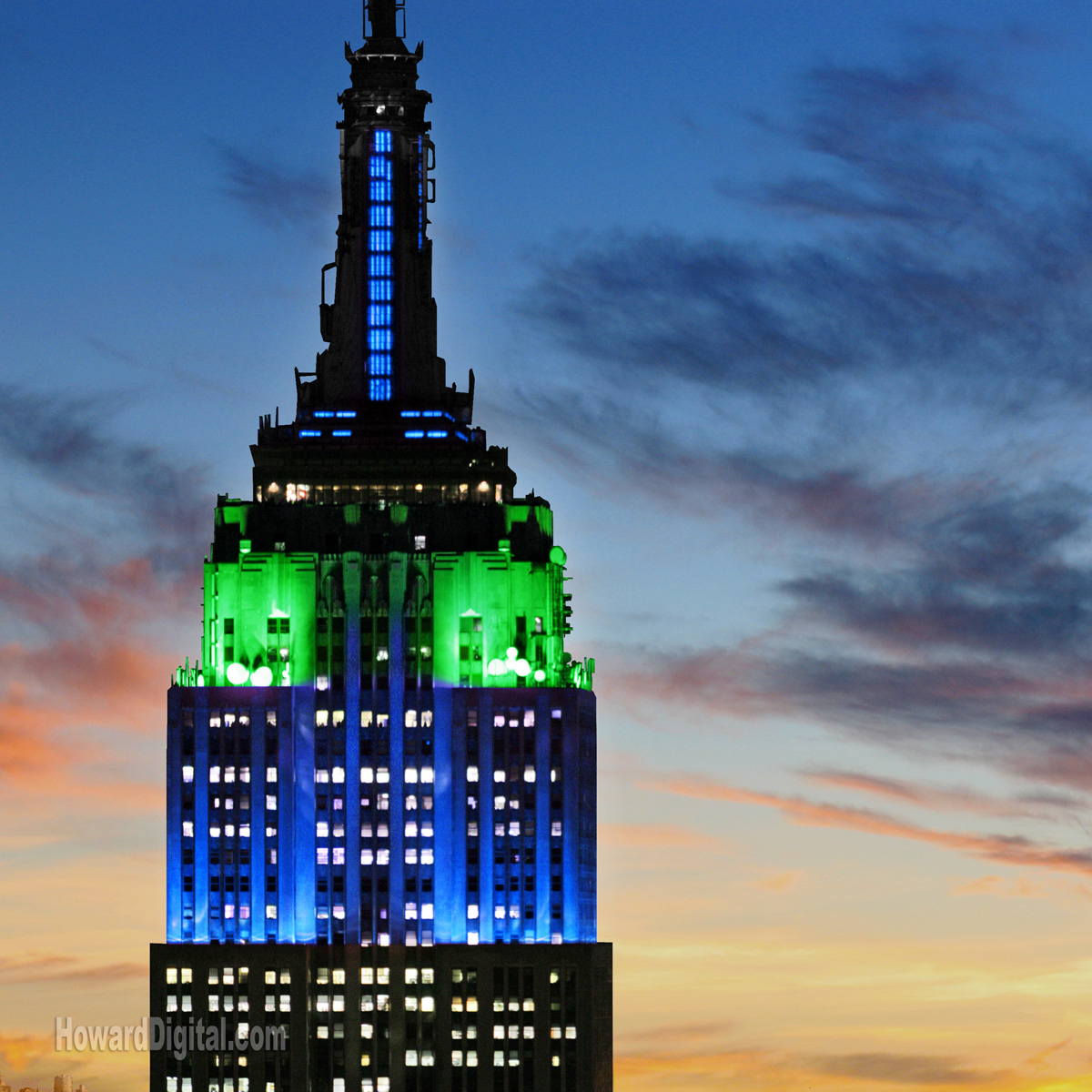
The Empire State Building Newyork Pictures and Information

The Seven (7) Wonders of the Modern World : The Empire State Building Newyork Pictures and Information

In the waning days of World War II, Lieutenant Colonel William F. Smith, an Army Air Force pilot, was flying his B-25 bomber from Bedford, Massachusets to Newark, New Jersey. Smith had just visited his wife in Bedford when he was returning to Newark in the unarmed bomber. Visibility in Manhattan was poor that morning of July 28, 1945, with the fog level around the 80th floor. Flying over Manhattan that morning, Smith found himself dodging the tops of syscrapers when he came up to the Empire State Building at 200 miles an hour---and slammed into it. Tearing an 18x20 foot hole in the 79th floor, the airplane’s gas tanks exploded in flames that scorched those inside the building. Besides the instant deaths of the pilot and his 2-man crew, 11 people at work in their offices were killed and 5 injured. Windows shattered all the way to the ground level, sending a rain of glass and debris to the street. One of the airplane’s prop engines cut an elevator cable and sent the elevator plunging 1000 feet (the operator survived), while the other engine ripped through the building to come out the other side and fall through the roof of an artist’s studio. All in all, a hell of a bout for the Empire State Building, which took the crash in stride. (Courtesy by leblog)

The Empire State Building PictureThe Empire State Building Picture

The Empire State Building New York PictureThe Empire State Building New York Picture

The Empire State Building In New YorkThe Empire State Building In New York

The Empire State Building PictureThe Empire State Building Picture


Who Designed the Empire State Building : Who Designed the Empire State Building? The building is located on No 350 Fifth Avenue, New York, New York. The structure was designed by the architectural firm Shreve, Lamb and Harmon and they had used the Art Deco style as their inspiration for the building.

The building had 102 floors and the name of the building came from the nickname of the city itself. The building stood as the world’s tallest building from its completion in 1931 until the completion of Sears Tower in 1972. After the destruction of the World Trade Center in September 11, 2001, the building again became the tallest building in the city and the state. The building cost $40,948,900 in 1930 prices.

The building is noted for its use in many popular culture media, such as the film “King Kong” which featured the giant ape being bombarded by biplanes atop the building and eventually falls to its death. It is also featured in the movie “Love Affair” which is lover’s agreement to meet at the observation deck of the building to be hampered by a car accident. This has also spawned comparisons in “Sleepless in Seattle” and the remake “An Affair to Remember”. Courtesy By woodenspears

> The Empire State Building Information : 350 Fifth Avenue, New York, NY 10118, 212-736-3100,Written by Scott Messmore.
Even the name conjures images of the Big Apple with its Art Deco look and 200-foot tall radio antenna that Hollywood's King Kong held onto with one hand and Fay Ray with the other. Visitors to New York City will see some of the best views of downtown Manhattan, plus well into Connecticut and neighboring boroughs from the 102nd- and 86th-floor observatories. Everything about the Empire State Building, like New York City itself, is larger than life. Construction began during the depths of the Great Depression of the 1930s with Top of Empire State Building at NightNew York Governor Alfred E. Smith laying the cornerstone.

> Empire State Building Has 6,000 Windows :
Completed in a year and 45 days, the Empire State Building is 1,250 feet tall with 102 stories. Built as a contest between General Motors founder John J. Raskob and Chrysler leader Walter Chrysler, the Empire State Building is supported by 60,000 tons of steel, has more than 6,000 windows and more than 500,000 square feet of marble and Indiana limestone encase one of the world's most famous skyscrapers. The base of the building alone is five stories above the city streets. The interior lobby is three floors high.

> Great Views of New York From the Empire State Building :
The Empire State Building has been the location of dozens of movies, the reception site of foreign dignitaries and even had a World War II bomber crash into the 79th floor in 1945. Millions of tourists and New Yorkers take in the views of Manhattan and beyond by making the trek to Top of Empire State Building at Night in the Fogone of the Empire State Building's two high-flying observatories.

> Best Views of the City :
Visitors can take one of the Empire State Building's high speed elevator to either the 86th-floor observatory or all the way to the top to the 102nd-floor observatory. To see the New York City skyline in airconditioned comfort, visitors should hop off the elevator on the 86th floor. High-powered binoculars will bring the city a little closer for a 360 degree look below. If the weather and wind is favorable, the truly adventurous can rise another 16 stories to the 102nd-floor observatory. Bring your camera and leave your hat behind for even more spectacular views from 1,250 feet above Manhattan. The 86th-floor observatory is open every day of the year from 9:30 a.m. to midnight, with the final tickets being sold at 11:25 p.m. The 102nd-floor observatory can often be closed to high traffic or severe weather. Visitors who want to Top of Empire State Building at Night in the Fogtake the trip to the top should call in advance or check with visitor information in the lobby. To visit the observatories it's $11 for adults, $10 for seniors, 62 and over, $10 for children 12 to 17, and $5 for children 6 to 11. Tickets are available at the Empire State Building in the concourse just below the ground floor. For more ticket information call 212-736-3100.

> Location :
The Empire State Building located at Fifth Avenue at 34th Street in Manhattan. Taxi's and the subway are most likely the simplest methods of getting to the Empire State Building. Visitors can walk to the Empire State Building from either Grand Central Station or Pennsylvania subway stops. Courtesy by The Empire State Building


The Empire State Building Newyork at the time of Construction
The Empire State Building Newyork in the night
The Empire State Building Newyork Picture in the night


> Construction Information :

Architects: Shreve, Lamb & Harmon Associates.
Builders: Starrett Brothers & Eken, Inc.

Height: 1,472 feet (448 meters) to top of antennae. 1,250 feet (391 meters) to 102nd floor observatory. 1,050 feet (320 meters) to 86th floor observatory.
Volume: 37 million cubic feet.

Area of Site: 83,860 square feet.

Cost including land: $40,948,900.

Cost of building alone: $24,718,000 (expected cost of $50 million
did not materialize due to the Great Depression)

Construction schedule:
Excavation: Begun January 22, 1930, before demolition of old Waldorf-Astoria Hotel completed.
Construction: Begun March 17, 1930. Framework rose at the rate of 4.5 stories per week.
Cornerstone: Laid by Alfred E. Smith, former governor of New York, September 17, 1930.

Masonry completed: November 13, 1930.

Official opening: May 1, 1931, by President Herbert Hoover, who pressed a button in Washington, D.C. to turn on the building's lights.

Total time: 7 million man hours, 1 year and 45 days work, including Sundays and holidays.

Work Force: 3,400 during peak periods.

Building Materials:
Exterior: Indiana limestone and granite, trimmed with aluminum and chrome-nickel steel from the 6th floor to the top.
Interior lobby: Ceiling high marble, imported from France, Italy, Belgium and Germany.

The CN Tower in Toronto Night Pictures and Info

The Seven Wonders of the Modern World : The CN Tower in Toronto Night Pictures and Information

It is fitting that television, the technological wonder that profoundly changed life in the 20th century, spurred the building of the era's tallest freestanding structure. In the late 1960's, Toronto's soaring skyline began to play havoc with signals from conventional transmission towers. Signals bouncing off the city's skyscrapers produced a number of problems, including the annoying phenomenon of "ghosting" on television sets. Weaker signals competed with stronger ones, giving viewers the effects of watching two programs at once. To improve the situation, Canadian National Railways, or CN, proposed building a transmission tower that would stand head and shoulders - and then some - above Toronto's tallest buildings.

A Toronto firm prepared the initial design, enlisting the aid of engineering experts the world over. Their original plan showed three towers linked by structural bridges. Gradually the design evolved into a single 1,815.5-foot-tall tower comprised of three hollow "legs."

Foundation work began in 1973. Giant backhoes excavated more than 62,000 tons of earth and shale to a depth of 50 feet from a along the shore of Lake Ontario in Toronto harbour. Next, prestressed concrete and reinforced steel were arranged in a Y-shaped pattern 22 feet thick. Each hollow leg of the Y would carry its fair share of the tower's 130,000-ton burden.

The foundation took only four months to complete. The tower itself presented a challenge of height never before met by the technique of poured concrete. To meet that challenge, engineers designed a huge mold known as a slip form. Concrete was poured 24 hours a day, five days a week, and as it hardened, the mold moved upward by means of a ring of hydraulic jacks. The ascending slip form gradually decreased in girth to give the tower its tapering shape.

When the tower reached the 1,100-foot mark, the builders made preparations for the SkyPod, a seven-story structure housing two observation decks, a revolving restaurant, a nightclub, and broadcasting equipment. The SkyPod is anchored by 12 steel-and-wooden brackets that were slowly pushed up the tower by 45 hydraulic jacks. Concrete formed the SkyPod's "walls," and a doughnut-shaped ring, called a radome, was added to its base to protect the delicate microwave dishes receiving radio and television transmissions. The SkyPod is reached by four high-speed, glass-fronted elevators whose rapid rise simulates a jetliner's takeoff, unless weather conditions call for a much slower ascent.

The concrete tower continues above the SkyPod, ending at the Space Deck 1,465 feet up. The Space Deck receives support from cantilevers extending out of the concrete section beneath it. After a 58-second elevator ride from the SkyPod below, visitors can enjoy breathtaking vistas from a glass-enclosed balcony. On a clear day they might be able to glimpse sites 75 miles away.

For the last phase of construction, a Sikorsky Skycrane helicopter arrived to install the tower's 335-foot communications mast. One by one the helicopter lifted about 40 seven-ton sections of the mast to the top of the tower, where workers braved blustery March winds to receive them. When the sections were in place, they were secured by a total of 40,000 bolts. Afterward, the entire mast was covered by a fiberglass-reinforced sheathing to prevent icing.

Of interest to Torontonians since construction began, the CN tower gained additional fans with the arrival of the helicopter. Nicknamed Olga, its daily schedule was printed in newspapers, and changes were announced as breaking news on radio and television. With Olga, the mast assembly took a little longer than three weeks; without Olga, the job would have lasted six months.

Completed in 1975, the tower had cost $57 million to build, a bargain compared with other modern wonders. It also boasted incredible statistics of precision and safety. During construction, surveyors' transits up to a thousand feet away focused on optical plumbs mounted on the slip-form base. The constant surveillance kept the structure an incredible 1.1 inches within plumb.

Engineers established a wind-tolerance standard for the tower of 260 miles an hour, a level well above nature's most extreme demands. Counterweights on the antenna correct for wobble in high winds. Because the tower is an easy target for lightning, copper grounding wires were installed. As a result, visitors can safely view some 75 spectacular strikes a year.

The CN Tower is a work in progress. In recent years the tower gained two new elevators to accommodate an increase in visitors. To accomplish this, the 2,579-step metal staircase was moved to the interior of the structure. In addition, a glass floor was added to the SkyPod's observation deck. Brave visitors, the majority not surprisingly children, inch out over the visual void. More often than not the experience is pronounced, "Awesome!"

Almost twice as tall as the Eiffel Tower and more than three times the height of the Washington Monument, the CN Tower has taken proud ownership of Toronto's skyline, while exorcising the ghosts from its TV sets. Courtesy by wonderclub

Source: The Wonders of the World, National Geographic Society

The CN Tower in Toronto Picture

The CN Tower in Toronto Picture

CN Tower is one of Canada’s greatest man-made wonders. It offers visitors a great view of all of Toronto during both the day and night. There are two different platforms that you can visit. One, the Look Out Level, is 346 m high, while the other, the Glass Floor, is 342 m. There are also several restaurants, the SkyPod, a film, and even a motion theatre ride for you to enjoy!

Heading out from your most Toronto hotels more than walking distance from the CN tower, you’ll want to take the subway and get off at the Union Station. From there, you only have to follow the Skywalk to reach the CN Tower. Once you arrive, you’ll have several ticket options. If you have a Citypass, you’re in luck—you get a free ticket that includes a visit to the Look Out and Glass Floor levels and either the chance to watch The Height of Excellence film about the tower or go on the motion theatre ride. If you want to visit the SkyPod, which is the world’s highest observation deck, you’ll have to purchase an additional ticket.

CN Tower is open from 9 am to 10 pm, although the hours do change during some seasons, and the weather may require some of the higher decks to close. It’s best to go before noon or in the later evenings since the tower is usually less crowded.

Once there, you can have a light meal at the Horizon’s Café, or, if you have some extra money to spend, eat in the 360 Restaurant. As the name suggests, the restaurant actually revolves as you eat. It’s quite the experience. The Glass Floor observation deck, likewise, is exactly like it sounds—you can actually walk across very thick and strong glass panes and look down at the rest of the tower below you. Quite the experience and one definitely not for those who are afraid of heights! information from Belgium Search

The CN Tower TorontoThe CN Tower Toronto Picture

The CN Tower at NightThe CN Tower at Night Picture

The CN Tower Toronto at NightThe CN Tower Toronto at Night Picture

The CN Tower at NightThe CN Tower at Night Picture