Animals Zoo Park - Amazing - Funny - Dangerous Animals

African Animals, Asian Animals, Amazing Photos, Amazing Under Water Photos Birds Photos, Flowers Pics, Free Wallpapers, Funny People Pics, Funny Pictures, Funny Videos, Hunting Videos Hunting Pics, Soccer Wallpapers, Tennis Pictures 7 Natural Wonders Information, 7 Under Water Wonders Information, 7 Wonders of the Medieval Mind, 7 Wonders of the Modern World, 7 Wonders of the Ancient World, Wonderful Temple Wallpaper, Top 10 Hollywood Stars (By visitors request), Top 10 soccer Players (By visitors request), Top 10 Tennis Players (By visitors request), 10 most Dangerous Snakes, Dangerous Animals, 10 most deadliest snakes, 10 Most Poisonous Animals in the World, all Wonders Of the World.
Showing posts with label African Animals. Show all posts

Monday, December 27, 2010

Rare African Bats, Bats Info and Bat Pictures, Photos

Rare African Bats, Rare Types of Bats Photos & Pictures of Bats


( Rare African Bats ) Rhinolophus Clivosus - This is a larger species than both Rhinolophus blasii and Rhinolophus simulator. Generally widespread and common, this species is a generalist feeding in more open areas and wooded savannas. There are many recognized subspecies across its range, and it is likely that some of these represent distinct species.


( Rare African Bats ) Rhinolophus Simulator : This is a another Rhinolophus simulator captured in lowland forest. This shares the same coloration as the other.


( Rare African Bats ) Rhinolophus Simulator : This is another species of horseshoe bat called Rhinolophus simulator. Although very similar in size and general appearance to R. blasii, the horseshoe (nasal) structure differs and it calls at a completely different echolocation frequency. Interestingly, we observed that on Mount Mulanje, one species was common, while the other was rare; whereas in lowland forests, it was the other way around. This may be due to competition for feeding niches, roosting sites, or differences in life history traits. Although this individual is colored a rusty orange, there is a separate form of the same species that is a dull brown.


( Rare African Bats ) Miniopterus : This is a species of the genus Miniopterus, (long-fingered bats). A molecular study (including samples from our work) is showing that this particular family of bats appears to have endemic species to almost all the major mountain ranges of Africa. And yet they are almost indistinguishable based on external appearance. This represents such a large degree of "cryptic" diversity that one prominent researcher described the family as Africa's "cichlid fish of the skies."


( Rare African Bats ) Miniopterus : This is another species of the genus Miniopterus (long-fingered bats). This is a separate species to the darker Miniopterus shown previously, and the form is generally larger, with lighter fur.


( Rare African Bats ) Kerivoula Lanosa : This is a fully grown woolly bat, Kerivoula lanosa. Weighing only 4 to 5 grams, they are specialists in dense forest environments. In Australia, members of this genus were found to be feeding almost exclusively on spiders that are gleaned from webs hanging over small forest paths or between the foliage. The common name of the genus refers to their elegant fur, which in this species is grizzled with long white hairs.


( Rare African Bats ) Rhinolophus Blasii : This is one of the last captures from a busy night sampling near a hydroelectric dam in the heart of a forested gorge on Mount Mulanje in Malawi. This species of horseshoe bat, Rhinolophus blasii, was very common, making up roughly 70 percent of all the individuals that we captured in and around this site.


( Rare African Bats ) Miniopterus : This is a third species of the genus Miniopterus. While a similar size to the first, the skull length is slightly greater and the pelage is a rich dark brown, rather than dark grey. We captured this individual while sampling the standing forests of Mulanje cedar, an endemic tree that acts as the emblem and namesake of this mountain. Unfortunately, the tree is on the verge of extinction as illegal logging of the timber continues and a planned bauxite mining project will see large tracts of remaining forest destroyed.


Rare African Bats Picture - Rhinolophus Blasii Photo


( Rare African Bats )Myotis Welwitschii : This is a very rare species called Myotis welwitschii. Known from only scattered few records across the continent, this catch was a fabulous record. The species is thought to have a paramontane distribution—i.e., it is found associated to, but not restricted to, mountain environments. It is possible that they migrate altitudinally with season. The coloring on the wings is a stark red, pockmarked with black spots and blotches.


( Rare African Bats ) Myotis Tricolor : This is Myotis tricolor, a relatively common savanna species that is widespread across Africa. Its name refers to the three colors present on each hair—a dark base leads to a cream-colored middle and terminates in a beautiful rusty orange. The open mouth nicely shows two glands in the cheeks, behind the rows of teeth. In other species, males have been observed marking territorial areas of a cave wall by rubbing these glands against the surface.


Comman Vampire Bat

Vampire Bat PictureVampire Bat Picture

Unique amongst mammals, the common vampire bat feeds entirely on blood sucked from its warm-blooded prey.

Saturday, January 30, 2010

African Lions Photos, African Lions Pictures and Animals Info

African Lions Photo & African Lion Pictures Gallery and Info

African Lion Photo

African Lions

Pictures-of-African-LionPictures-of-African-Lion

African Lions PhotoAfrican Lions Photo

African Lions Picture


African Lions Info :

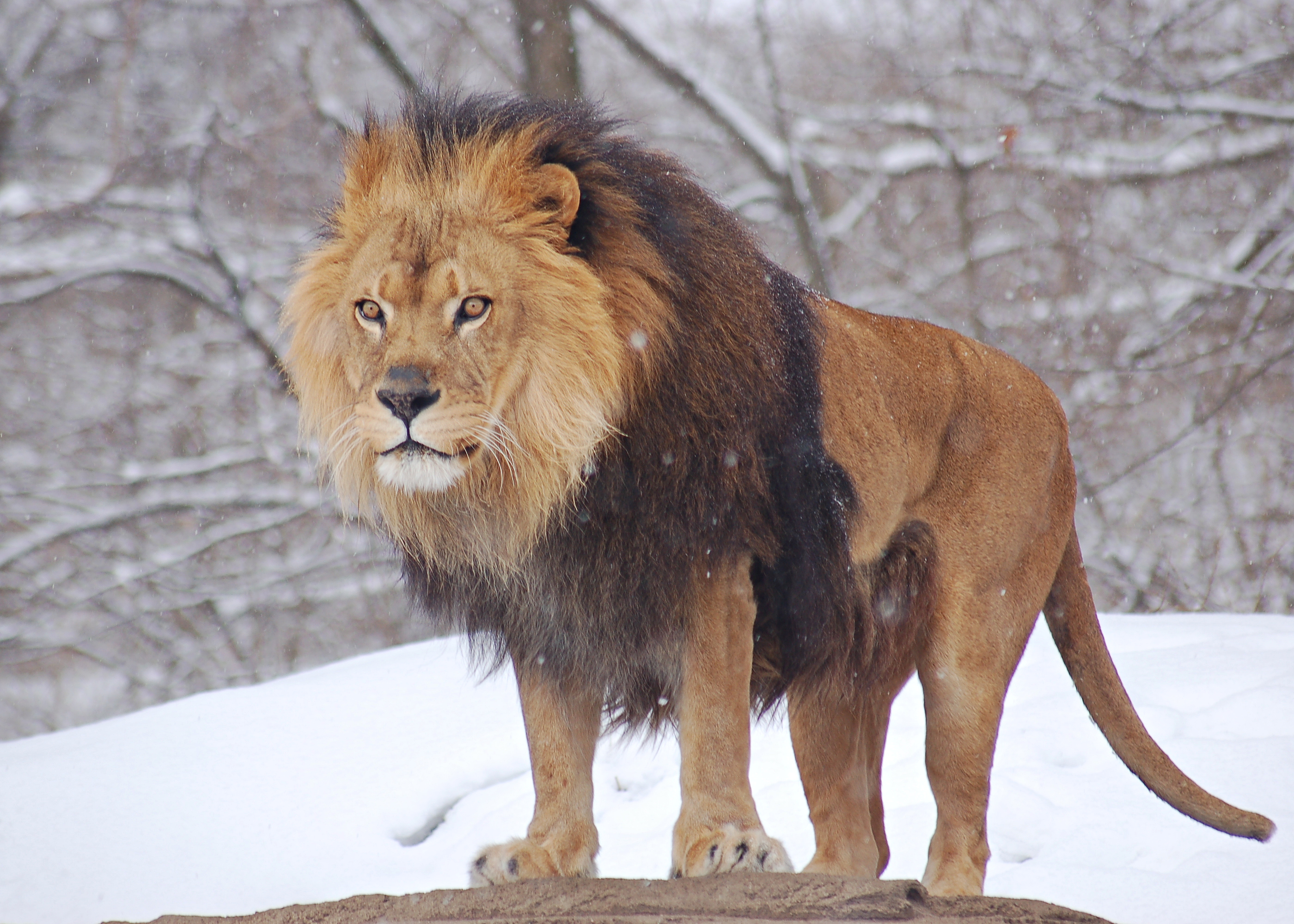
Lions are unique in that they are the only cats to live in groups (prides). They are the largest member of the cat family and the largest of all the African carnivores. They are are the top predator in any African ecosystem where they live.

African Lions Description and Characteristics:
Lions are Tawny in colour, varying from silvery yellow to reddish brown with paler undersides (female belly yellowish to almost white); yellow to black mane. Faint, leopard like spots are generally found on the young which is sometimeskept into maturity.

Males have thick mane around the head that extend down the chest between the forelegs and varies in colour from blond to black, whereas females do not have manes

Lions have massive shoulders and strong forelimbs, long, sharp claws, and short, powerful jaws. A Lions' roar can be heard by humans more than 8 km away.

Prides of lions are generally composed of related females, whilst a typical prides contains around 13 lions, large prides can contain as many as 40 lions, while some prides will have a few as two members. A prides home range varies in size from 20-400 km².

Lions are mainly nocturnal and are reputed to sleep or rest for about 20 hours a day. You will often find them lying under a shady bush, particularly after they've fed following a kill.

African Lions Feeding/drinking Habits:
As carnivores, feeding entirely on the flesh of other mammals, lions have 30 teeth, including large piercing canines to grab and kill prey, scissorlike molars to slice into flesh, and small incisors to scrape meat from bones. Much of their hunting is done at night and in the very early dawn. When feeding on a large kill, a lion can eat almost 36 kg of meat in one feeding and then not need to eat for several days. On average, a lion needs to eat about 5 kg of meat daily.

African Lion Habitat:
The lion is found throughout the south Sahara desert and in parts of southern and eastern Africa. They are generally seen on grassy plains, savannas, and dry woodlands but never seen in heavily forested areas. The lion can be found in most of the National Parks and Reserves in Africa.

African Lion Size & Lifespan
Males reach up to a shoulder height of 1.2meters and weight between 150-250kgs, females are smaller and reach a shoulder height of 1.05m and weigh up between 120 -180 kgs. Lions live for 12-16 years in the wild and 25 years in captivity.

African Lions Reproduction:
A lioness has a gestation period of about 110 days, after which she can gives birth to up to four cubs. Generally she gives birth in a secluded areas away from the group and introduces the cubs to the pride when they are about eight weeks old. Very often, several females give birth at about the same time, and they share the duties of protecting and nursing the cubs. Mothers nurse for up to 8 months, although they begin to take cubs to eat at animal kills when they are as young as 3 months old. At about 11 months of age, cubs start learning to hunt with the pride. Females take care of their young until they are about two, when the mother is ready to produce a new litter.

Predators and Threats:
Although the population of lions is declining, they are not currently listed as endangered or threatened. Threats include hunting, loss of habitat and human encroachment.

> Read More African Elephants Information and Pictures - Animals Zoo Park

> More African Animals Info and Photos

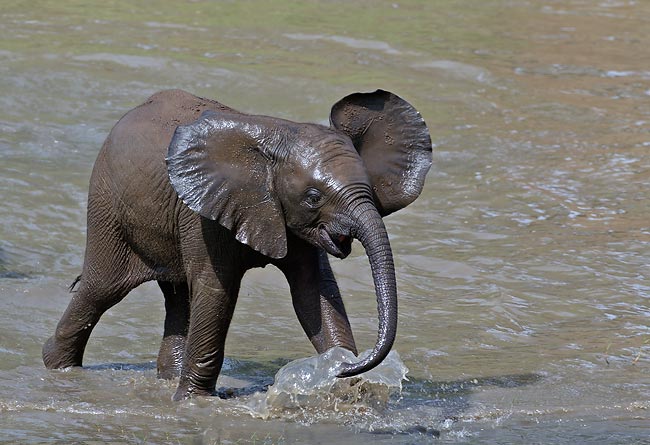
Baby African Elephants Photo and Pictures

Baby African Elephants Photo and PictureBaby African Elephants Photo and Picture

African Elephant, baby emerging from river, Terenegire National Park, Tanzania
Image copyright 2004 Arthur Morris/BIRDS AS ART

Baby African Elephants PictureBaby African Elephants Picture

Baby African Elephants PhotoBaby African Elephants Photo

Baby Elephants Photo and PicturesBaby Elephants Photo and Pictures

African Elephants Picture

Their diet consists of grass, branches and bark of trees also fruit. Life expectancy is around 65 Years. the last photo was taken of the herd crossing the road with the baby in toe.


You might think with the Park being the size of Wales it would be difficult to spot these creatures, this is not true as these photos were taken 30 minutes after entering the Park. The African Elephant can weigh in up to 6 000 Kg’s for the Male and 4 000 Kg’s for the Female.

Baby African Elephant Photo

The African Elephant ( loxodonta africana ): Kruger National Park in South Africa, the park it’s self is about the size of Wales, entrance fee is R35.00 per person around 3 USD and well worth it for what you see.

Baby Elephant - Animals Zoo Park


> Read More African Elephants Information and Enjoy Pictures - Animals Zoo Park

Sunday, January 17, 2010

African Lion Pictures, African Lion Hunting Videos

African Lion Profile, African Lions Information and African Lion Fast Facts

Lions are the only cats that live in groups, which are called prides. Prides are family units that may include up to three males, a dozen or so females, and their young. All of a pride's lionesses are related, and female cubs typically stay with the group as they age. Young males eventually leave and establish their own prides by taking over a group headed by another male.

Only male lions boast manes, the impressive fringe of long hair that encircles their heads. Males defend the pride's territory, which may include some 100 square miles (259 square kilometers) of grasslands, scrub, or open woodlands. These intimidating animals mark the area with urine, roar menacingly to warn intruders, and chase off animals that encroach on their turf.

Female lions are the pride's primary hunters. They often work together to prey upon antelopes, zebras, wildebeest, and other large animals of the open grasslands. Many of these animals are faster than lions, so teamwork pays off.

After the hunt, the group effort often degenerates to squabbling over the sharing of the kill, with cubs at the bottom of the pecking order. Young lions do not help to hunt until they are about a year old. Lions will hunt alone if the opportunity presents itself, and they also steal kills from hyenas or wild dogs.

Lions have been celebrated throughout history for their courage and strength. They once roamed most of Africa and parts of Asia and Europe. Today they are found only in parts of sub-Saharan Africa, except for one very small population of Asian lions that survives in India's Gir Forest.

> Fast Facts -
Type: Mammal
Diet: Carnivore
Size: Head and body, 4.5 to 6.5 ft (1.4 to 2 m); Tail, 26.25 to 39.5 in (67 to 100 cm)
Weight: 265 to 420 lbs (120 to 191 kg)
Group name: Pride
Protection status: Threatened
Size relative to a 6-ft (2-m) man:

African Lion Pictures, African Lion Hunting Videos :

African lion serengeti africa pictureAfrican lion serengeti africa picture

African Lion Video PictureAfrican Lion Video Picture

African lions masai mara kenya pictureAfrican lions masai mara kenya picture


African Lion Safari Attack Video - Lion attack hunting safari Africa Video - 4,095,505 views


Animals Zoo Park -> White Lions Photos , Lions Pictures

African Lions Images - Lions Pictures

African Lions
Type: Mammal
Diet: Carnivore
Size: Head and body, 4.5 to 6.5 ft (1.4 to 2 m); Tail, 26.25 to 39.5 in (67 to 100 cm)
Weight: 265 to 420 lbs (120 to 191 kg)
Group name: Pride
Protection status: Threatened
Size relative to a 6-ft (2-m) man

Lions are the only cats that live in groups, which are called prides. Prides are family units that may include up to three males, a dozen or so females, and their young. All of a pride's lionesses are related, and female cubs typically stay with the group as they age. Young males eventually leave and establish their own prides by taking over a group headed by another male. Below we posted some African Lions Pictures and African Lions Images.


Close face African Lion PictureClose face African Lion Picture

African Lion Gallery ImageAfrican Lion Gallery Image

African Lion PictureAfrican Lion Picture

Three Lions Wonderful pictureThree Lions Wonderful picture

Roaring African Lions ImageRoaring African Lions Image